The Solid Granny Square: A Modern Twist on a Classic Crochet Staple
For decades, the Granny Square has been the quintessential symbol of crochet. If you ask any crocheter to name their first successful project, it is likely a colorful, lacy square made of clusters and chains. However, there is a distinct evolution in this beloved craft that is gaining significant traction among modern makers: the Solid Granny Square. While it shares the same foundational geometry as its traditional counterpart, the result is a completely different textile experience. This article explores what makes the Solid Granny Square unique, why it is becoming a favorite for contemporary home decor, and how you can master this technique to create stunning, gap-free fabrics.
What Exactly Is a Solid Granny Square?
To understand the appeal of the Solid Granny Square, we must first distinguish it from the classic version. A traditional Granny Square is defined by its openness. It relies heavily on chain spaces (chains) between clusters of stitches (usually double crochets). These chain spaces create a breathable, airy fabric with visible holes or gaps. This structure is perfect for summer shawls or lightweight blankets but offers little insulation or privacy.
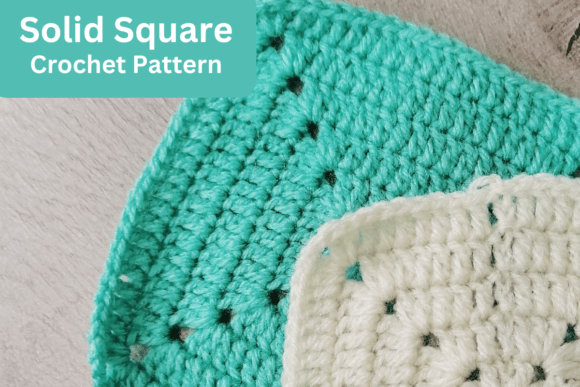
In contrast, the Solid Granny Square is designed to be dense and continuous. As the name suggests, it creates a solid piece of fabric with no holes and no gaps. It achieves this by altering the stitch placement and eliminating the large chain spaces typical of standard patterns. Instead of working into open rings, the stitches are worked closely together, filling the space entirely. The pattern starts from the center and grows outward, maintaining this density as it increases. The result is a sturdy, warm, and visually cohesive square that feels more like woven wool than traditional lace-like crochet.
Why Choose Solid Over Standard?
The shift toward solid squares is not just about aesthetics; it is about functionality. In modern living, comfort and warmth are paramount. A blanket made from solid squares provides superior insulation compared to one made from traditional lacy squares. For those living in colder climates or simply seeking a cozy reading nook, the density of the Solid Granny Square offers a tangible benefit. Furthermore, the lack of gaps means that small items—like remote controls, coins, or pets—are less likely to slip through the fabric, adding a layer of practicality to your handmade goods.
From Center Outwards: Understanding the Construction
One of the most intriguing aspects of the Solid Granny Square pattern is its construction method. Like most granny squares, it begins at the center and expands outward in rounds. However, the execution differs significantly. In a regular pattern, you might work a cluster, chain three, skip stitches, and repeat. In the Solid version, the increases are managed differently to maintain the solid structure.
The pattern typically utilizes specific increase techniques that allow the square to lie flat while keeping the fabric tight. This requires a bit more attention to tension than the looser traditional method. Beginners often find that the Solid Granny Square helps them develop better tension control because there is no "hiding" behind loose chain spaces. Every stitch counts, and every gap is filled. This precision leads to a professional-looking finish that looks polished and high-end.
- Center Start: The project begins with a magic ring or a small foundation circle.
- Dense Increases: Instead of large chain-3 corners, the corners are built up with multiple stitches worked into the same space to create the angle without creating a hole.
- Continuous Growth: You continue adding rounds until the square reaches your desired size.
Versatility in Home Decor and Fashion
Once you have mastered the Solid Granny Square, the possibilities for application are vast. Because the fabric is solid, it behaves differently when assembled. Here is how enthusiasts are incorporating these squares into their daily lives and creative projects.
Blankets and Throws
The most common use for Solid Granny Squares is in blanket making. When joined together, these squares create a heavy, durable throw that is perfect for winter. Unlike traditional granny square blankets which can feel flimsy or drafty, a solid version feels substantial and luxurious. You can choose to join them with a visible seam for a rustic look or use a whip stitch for a seamless appearance. The solid nature of the fabric also means that the colors blend slightly less than in lacy versions, allowing for bold color blocking designs that pop.
Cushions and Pillows
For cushion covers, the Solid Granny Square is arguably even more suitable than for blankets. Cushions need to hold their shape and provide back support. A lacy square would offer little structural integrity, whereas a solid square acts almost like a stiff canvas. This rigidity allows for intricate designs and ensures that the cushion maintains its form over time. Additionally, because the surface is smooth and gap-free, it is easier to clean and less prone to snagging on jewelry or rough fabrics.
Appliques and Embellishments
This is where the Solid Granny Square truly shines for advanced crafters. The solid background provides an ideal canvas for crochet appliques. On a traditional lacy square, sewing on additional flowers or shapes can be difficult because there is no backing material; the applique would just sit in the empty space. With a solid square, you have a stable fabric to work with. You can sew on delicate lace flowers, embroidered motifs, or even attach buttons and beads, creating a mixed-media effect that looks incredibly prettier and more sophisticated. The solid base grounds the decoration, making it stand out rather than getting lost in a web of chains.
Accessibility for All Skill Levels
A common misconception is that "solid" implies "difficult." In reality, the Solid Granny Square pattern is highly accessible. Many modern patterns, such as the one referenced in this guide, come with both written instructions and symbolic representations. This dual approach caters to different learning styles:
- Written Instructions: Step-by-step text guides you through each round, explaining exactly where to insert your hook and how many stitches to make.
- Symbolic Charts: Visual charts allow you to see the entire square at a glance. This is particularly helpful for understanding the increase points and ensuring symmetry.
For beginners, this format reduces anxiety. You don't have to memorize complex sequences; you can simply follow the chart row by row. For experienced crocheters, the challenge lies not in complexity, but in consistency and tension management. The repetitive nature of the pattern makes it an excellent "mindless" project for watching TV or listening to podcasts, yet the final product feels rewarding due to its density and quality.
Practical Tips for Success
If you are ready to start your first Solid Granny Square, keep these tips in mind to ensure a beautiful outcome:
- Choose the Right Yarn: Because the fabric is dense, bulky yarns can make the square very heavy and stiff. Worsted weight (medium #4) yarn is often ideal as it balances softness with structure. Acrylic or wool blends work well for durability.
- Monitor Your Tension: Since there are no gaps to hide uneven stitches, your tension needs to be consistent. Try not to pull too tightly, or the square will pucker and curl. Conversely, if it is too loose, the fabric may become floppy.
- Blocking is Key: After completing your square, washing and blocking it can help even out the stitches and set the shape. Even though the square is solid, blocking ensures that the edges remain straight and the corners stay sharp.
- Plan Your Joining: Decide early how you will join the squares. Sewing them together adds another layer of thickness, which is great for blankets but might make cushions too hard. Consider using a stretchy join method if you want a softer drape.
Conclusion: Embracing the Solid Revolution
The Solid Granny Square represents a beautiful evolution in crochet culture. It honors the heritage of the traditional granny square while adapting to modern needs for warmth, durability, and versatility. Whether you are crafting a cozy blanket for your living room, a structured cushion for your bedroom, or a canvas for intricate appliques, this pattern offers endless creative potential.
By removing the gaps and focusing on solid construction, you create a textile that feels grounded and substantial. It bridges the gap between craft and function, proving that handmade items can be both aesthetically pleasing and practically useful. With clear instructions and visual aids available, there has never been a better time to explore this variation. So, pick up your hook, choose your favorite colors, and discover the satisfying rhythm of creating something truly solid.