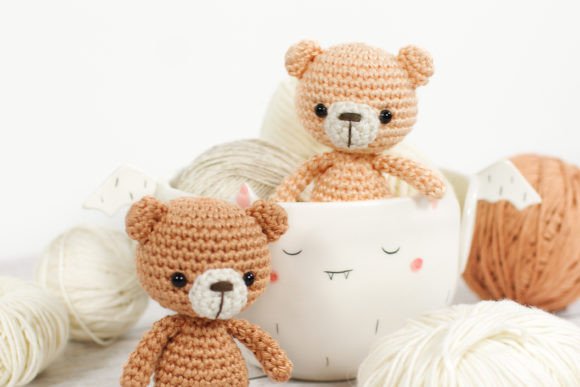
Small Teddy Pattern: A Comprehensive Guide to Crocheting an Adorable Amigurumi Bear
In the world of handmade crafts, few items evoke as much warmth and nostalgia as a tiny, hand-crocheted teddy bear. For crocheters looking to expand their repertoire beyond simple scarves and dishcloths, the Small Teddy Pattern offers an accessible yet rewarding challenge. This digital pattern is designed to guide you through the entire process of creating your own adorable little amigurumi teddy bear, from the very first chain stitch to the final stuffing and assembly.
Whether you are a hobbyist seeking a meaningful gift for a child or a professional crafter looking to add a charming piece to your inventory, this guide explores everything you need to know about this 16-page PDF resource. We will delve into the specifics of the design, the skills required, and the practical considerations that make this pattern a standout choice for intermediate crafters.
Understanding the Small Teddy Pattern
The Small Teddy Pattern is not just a list of instructions; it is a comprehensive tutorial crafted by TÜ Spire. The pattern is contained within a single PDF file spanning 16 pages, ensuring that all necessary information is centralized and easy to access. What sets this pattern apart is its reliance on visual aids. It is illustrated with many step-by-step photos, which serve as a crucial reference point for those who learn better visually rather than purely textually.
The primary purpose of this pattern is to democratize the creation of amigurumi. While complex stuffed animals can seem intimidating, this design focuses on clarity. It assumes that the reader already knows basic crochet stitches but explains every other technique in detail. This approach makes it an excellent bridge for crocheters who want to move from flat projects to three-dimensional objects without feeling overwhelmed by obscure terminology or unexplained jumps.
Who Is This Pattern For?
The target audience for the Small Teddy Pattern is clearly defined. It is best suited for individuals who have moved past the beginner stage but are not yet ready for highly complex garment construction. The difficulty level is rated as 3 out of 5, categorized as Intermediate. This rating reflects the inclusion of specific techniques that go beyond basic row-by-row crocheting.
Professionals and business owners may find particular value in this pattern for several reasons:
- Scalability: The finished size is manageable, making it ideal for baby showers, nursery decor, or small retail items.
- Clarity: The detailed photo guides reduce the time spent deciphering patterns, allowing for faster production times.
- Customization: The pattern allows for yarn variations, enabling creators to offer different textures and colors to meet diverse customer preferences.
Technical Specifications and Sizing
One of the most critical aspects of any crochet pattern is the final dimensions. The Small Teddy Pattern provides precise sizing depending on the materials used, which adds flexibility to the project. Understanding these variables is essential for achieving the desired look and feel of your bear.
Material Variations
The pattern is versatile enough to accommodate two distinct types of yarn, each resulting in a different aesthetic:
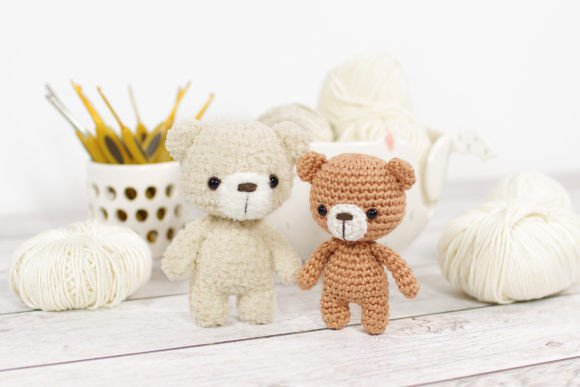
- DK Weight Cotton Yarn: When using DK weight cotton yarn paired with a 2.50 mm hook, the finished bear measures approximately 9.5 cm (3 3/4 inches) from head to toe. This version yields a denser, firmer bear with a smoother finish, ideal for babies who might chew on their toys due to the tight stitch definition.
- Fuzzy Baby Yarn: If you choose fuzzy baby yarn and a 2.75 mm hook, the bear will measure approximately 11.5 cm (4 1/2 inches). This variation creates a softer, fluffier appearance, perfect for decorative plushies or older children who prefer a cuddlier texture.
This dual-sizing option is a significant advantage. It allows the creator to decide the "personality" of the bear based on the material choice. A cotton bear might look more classic and structured, while a fuzzy bear appears more modern and whimsical.
Skills Required and Learning Curve
While the Small Teddy Pattern is labeled as intermediate, the skills required are fundamental to amigurumi crafting. However, mastering them requires practice and attention to detail. The pattern explicitly lists the following skills:
- Crocheting in Spiral: Unlike working in rounds where you join at the end of each round, amigurumi is typically worked in a continuous spiral. This technique prevents seams from forming but requires careful counting to avoid accidental increases.
- Basic Stitches: Proficiency in Chain, Slip, and Single Crochet stitches is mandatory. These are the building blocks of the bear’s body.
- Increasing and Decreasing: Shaping the head, limbs, and ears relies heavily on strategic increases (making stitches bigger) and decreases (joining stitches together). This is where the three-dimensional form emerges.
- Color Changes: Depending on the design details, the pattern may involve changing yarn colors for features like eyes, noses, or clothing accents.
- Less Common Techniques: The intermediate rating stems from the integration of these shaping techniques and color changes seamlessly within the spiral method.
For those unfamiliar with crocheting in the round, the step-by-step photos in the PDF are invaluable. They provide visual confirmation that your tension and stitch count are correct, reducing the frustration often associated with transitioning from flat to circular projects.
Practical Applications and Real-World Use
The versatility of the Small Teddy Pattern extends beyond mere decoration. Here are some practical scenarios where this pattern shines:
Gifting and Personalization
A hand-crocheted teddy bear is a timeless gift. Parents often appreciate the uniqueness of a handmade item over mass-produced toys. You can customize the bear by selecting yarn colors that match a nursery theme or personal preferences. For example, using pastel blues and greens for a boy, or pinks and yellows for a girl, adds a thoughtful touch.
Educational Tool
For craft instructors, this pattern serves as an excellent teaching tool. Because it covers the core principles of amigurumi—spiraling, shaping, and stuffing—it can be used to teach students how to create 3D objects. The clear instructions allow teachers to focus on technique rather than troubleshooting confusing pattern syntax.
Therapeutic Crafting
Crochet is widely recognized for its therapeutic benefits. Creating a small, repetitive object like a teddy bear can be meditative. The finite nature of the project (16 pages) ensures that the crafter sees completion relatively quickly, providing a sense of accomplishment that boosts morale and reduces stress.
Evaluating Suitability and Limitations
Before diving into the Small Teddy Pattern, it is important to consider potential limitations and challenges. Being aware of these factors helps set realistic expectations.
Time Investment
While the pattern is concise, crocheting a stuffed animal takes time. Depending on your speed and the thickness of the yarn, a bear may take anywhere from two to five hours to complete. Beginners should allocate extra time for learning the spiral technique and checking stitch counts.
Yarn Availability
The pattern recommends specific yarn weights (DK cotton or fuzzy baby yarn). Finding high-quality yarn in these categories might require visiting local craft stores or specialized online retailers. Additionally, fuzzy yarns can sometimes hide stitch definition, making it harder to see individual stitches. In such cases, the photo guides become even more critical.
Copyright Considerations
TÜ Spire holds the copyright to this pattern (© 2024). It is crucial to respect intellectual property rights. You may NOT reproduce, sell, redistribute, alter, or publish the pattern or parts of it. However, you MAY sell finished products made with this pattern. If you plan to sell your bears, the designer appreciates a credit as the designer. This is a common and fair practice in the crafting community, acknowledging the original creator’s work while allowing artisans to profit from their labor.
Conclusion
The Small Teddy Pattern is a well-crafted, user-friendly resource for anyone interested in entering the world of amigurumi. Its combination of clear written instructions, extensive photo guides, and flexible sizing options makes it suitable for a wide range of crocheters. Whether you are creating a keepsake for a loved one or adding a new product to your handmade business, this pattern provides the tools and guidance needed for success.
By focusing on fundamental techniques and offering visual support, TÜ Spire has created a pattern that is both educational and enjoyable. As you embark on this project, remember to enjoy the process. The joy of holding a small, soft bear you created with your own hands is a reward in itself. So, grab your hook, select your favorite yarn, and start crocheting your very own Small Teddy today.