Floral Element: Elevating Digital Design with Watercolor Aesthetics
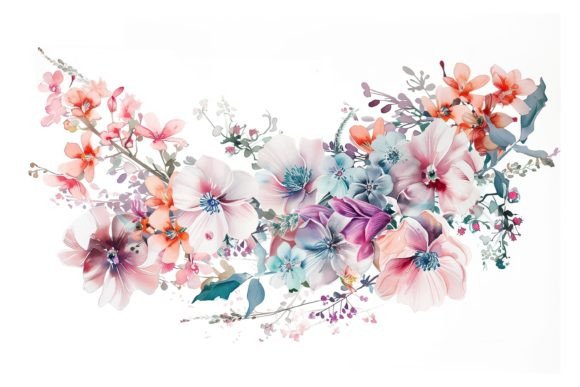
In an era where digital interfaces are often dominated by flat design, stark minimalism, and high-contrast geometric shapes, there is a quiet but persistent shift occurring in the visual landscape. Audiences are craving texture, warmth, and organic authenticity. This is where the Floral Element steps in, not merely as a decorative afterthought, but as a powerful tool for emotional connection and brand differentiation. Specifically, assets like the watercolor floral border JPG – 2688 x 1792 px represent a convergence of artistic tradition and modern utility, offering creators a versatile medium to humanize their work.
The relevance of this specific asset class lies in its balance. It provides the softness and intricacy of hand-painted art while maintaining the crisp resolution and format compatibility required for contemporary web and print workflows. For professionals ranging from freelance graphic designers to small business owners, understanding how to leverage these elements can significantly enhance the perceived value of their projects.
The Evolution of Floral Motifs in Modern Design
Floral patterns have been a staple in interior design, fashion, and stationery for centuries. However, their application in digital media has evolved dramatically. In the early days of the internet, graphics were limited by file size constraints, leading to pixelated, low-resolution icons. As bandwidth increased and screen resolutions improved, designers began experimenting with more complex imagery. Yet, true photorealism or hyper-detailed vector art can sometimes feel cold or overly polished.
Watercolor, by contrast, brings an element of imperfection that resonates deeply with modern users. The bleeding edges, subtle color gradients, and translucent layers mimic the unpredictability of nature. When applied as a Floral Element, it introduces a sense of craftsmanship. This aligns with the broader cultural trend toward "slow living" and artisanal quality. Consumers today are more skeptical of mass-produced aesthetics; they respond better to visuals that suggest human touch and care.
This shift is particularly evident in branding for wellness, lifestyle, education, and creative industries. A business selling organic skincare or a blogger sharing personal stories benefits from the gentle, inviting nature of watercolor florals. It signals approachability and elegance without the intimidation factor of rigid corporate structures. The transition from heavy, ornate Victorian-style prints to lighter, airy watercolor borders reflects a desire for clarity and breathing room in our increasingly cluttered digital feeds.
Technical Specifications and Practical Utility
While the aesthetic appeal is significant, the technical specifications of a Floral Element like the watercolor floral border JPG – 2688 x 1792 px are what make it a practical choice for daily use. Resolution matters immensely in both print and digital contexts. At 2688 pixels wide, this image offers sufficient detail to remain sharp on high-density displays (Retina screens) and large-format prints, provided it is used appropriately within the layout.
The aspect ratio of approximately 3:2 is versatile enough to serve as a background header, a social media banner, or a full-page backdrop for digital invitations. However, its primary strength lies in its function as a border or frame. Unlike solid-colored frames that can block content, a watercolor floral border allows text and central imagery to shine through while adding context and mood. The JPEG format ensures broad compatibility across various software platforms, from Adobe Creative Cloud suites to simpler tools like Canva or Microsoft PowerPoint.
For educators and bloggers, this means you can quickly create visually engaging headers for blog posts or course materials without spending hours creating custom illustrations. For marketers, it offers a way to break up long-form content, guiding the reader’s eye and providing visual rest stops. The key is integration. The asset should complement the message, not overpower it. Using it as a subtle overlay with reduced opacity can add depth to a plain white background, while using it at full opacity can define the boundaries of a promotional graphic.
Integrating Floral Elements into Professional Workflows
Implementing a Floral Element into your workflow requires more than just dragging and dropping an image. It involves strategic placement and thoughtful pairing with typography and color palettes. Here are several practical approaches to integrating these assets effectively:
- Social Media Storytelling: Use the watercolor border to frame quotes or testimonials. The organic shape softens the message, making it feel more personal and less like a standard advertisement. This is particularly effective for Instagram and Pinterest, where visual harmony drives engagement.
- Digital Invitations and Event Materials: Weddings, workshops, and community events benefit from the celebratory yet refined look of floral borders. The 2688 x 1792 px resolution ensures that details like individual petals are visible when printed on high-quality cardstock or viewed on mobile devices.
- Educational Content Enhancement: Teachers and course creators can use these elements to section off different topics or highlight key takeaways. A floral divider between chapters adds a layer of polish that distinguishes professional courses from free, amateur content.
- Brand Identity Consistency: If your brand palette includes earthy tones, pastels, or muted greens, a watercolor floral asset will blend seamlessly. It reinforces brand recognition by consistently applying a specific aesthetic language across email newsletters, website headers, and marketing collateral.
When combining the watercolor floral border JPG with other design elements, consider the rule of negative space. Because watercolor images often have intricate details along the edges, leaving the center relatively clean allows the viewer to focus on the core message. Avoid overcrowding the composition with competing textures or bold geometric shapes. Let the floral element breathe.
Addressing Common Misconceptions and Challenges
Despite their popularity, some designers hesitate to use floral elements due to misconceptions about their versatility or professionalism. One common concern is that florals might appear too feminine or niche. While historically associated with certain demographics, modern interpretations of watercolor florals are gender-neutral and broadly appealing. The key is in the execution—choosing blooms that match the tone of the project, whether that is wild and rugged or structured and delicate.
Another challenge is ensuring color consistency. Watercolor pigments can vary depending on the monitor calibration and printing process. To mitigate this, always preview the Floral Element in both RGB (for digital) and CMYK (for print) modes if possible. Adjust the saturation slightly if the colors appear too washed out on screen, ensuring they retain their vibrancy in real-world applications.
Furthermore, copyright and licensing are critical considerations. Not all floral assets are created equal. Ensure that the source of your watercolor floral border JPG provides clear usage rights, especially for commercial purposes. Reputable stock libraries and independent artists typically offer licenses that cover web use, print runs, and social media promotion, giving you the peace of mind to use the asset confidently in client projects.
The Future of Organic Digital Aesthetics
As technology continues to advance, the line between physical and digital experiences blurs further. Augmented reality (AR) and virtual reality (VR) environments may soon incorporate tactile, textured elements that mimic real-world materials. The appreciation for watercolor and hand-painted styles suggests a future where digital spaces are not just functional but experiential. Users will expect environments that engage multiple senses, even visually.
The Floral Element represents a step toward this more immersive digital reality. By incorporating natural, imperfect, and beautiful forms, we remind ourselves of the world outside our screens. For businesses and creators, this is an opportunity to build deeper connections with their audience. It is not just about looking good; it is about feeling authentic.
In conclusion, the watercolor floral border JPG – 2688 x 1792 px is more than just a pretty picture. It is a strategic design component that bridges the gap between traditional artistry and modern digital needs. Whether you are a seasoned designer refining a brand identity or a hobbyist crafting a personal blog, leveraging these elements can elevate your work from ordinary to exceptional. By embracing the soft power of floral aesthetics, you contribute to a digital culture that values beauty, humanity, and thoughtful design.